Get Accurate Stoke Newington Removal Quotes: What to Share

If you are trying to compare moving prices in a sensible way, Get Accurate Stoke Newington Removal Quotes: What to Share is the question that saves time, money, and a fair bit of stress. A quote that starts with guesswork usually ends with awkward call-backs, surprise charges, or a van that is far too small for the job. Nobody wants that on moving day, especially not when the boxes are already stacked in the hallway and the kettle is balanced on top of a packing crate.
The good news is that most quote problems are preventable. If you share the right details upfront, removal firms can size the job properly, estimate labour and vehicle needs, and tell you whether access issues or extras might affect the price. That makes comparison easier, but more importantly, it makes your move smoother. In this guide, we will walk through exactly what to share, why it matters, and how to get a quote that is genuinely useful rather than vaguely optimistic.
One thing to keep in mind: the best quote is not always the cheapest at first glance. It is the one that reflects your move honestly. That sounds obvious, but in practice it is where people slip up. Let's fix that.
- Why accurate removal quotes matter
- How the quote process works
- Benefits of sharing the right information
- Who should use this approach
- Step-by-step guidance
- Expert tips for better results
- Common mistakes to avoid
- Tools and resources
- Law, compliance and best practice
- Options and comparison table
- Real-world example
- Practical checklist
- Frequently asked questions
Why Get Accurate Stoke Newington Removal Quotes: What to Share Matters
Accurate quotes matter because moving is one of those jobs where tiny details have outsized effects. A second-floor flat with a narrow stairwell, a piano, a sleepless toddler, and parking that is "available, sort of" can turn a simple move into a very different operation. If you do not mention those details, the quote may look attractive but be missing the real work involved.
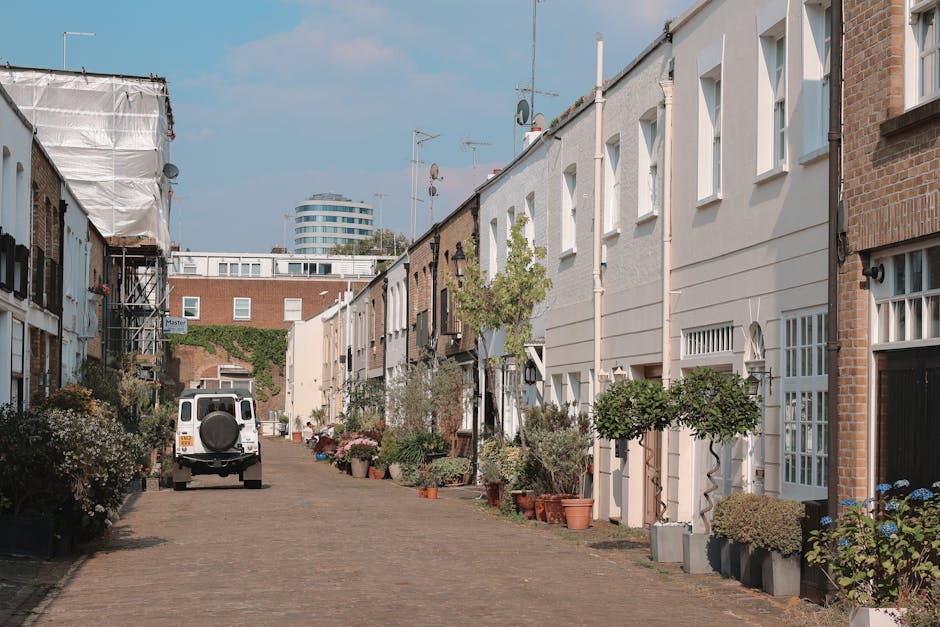
In Stoke Newington, that matters even more because local streets, parking pressure, and apartment layouts can change the shape of a move quickly. You may be moving from a maisonette near Church Street, a terraced house closer to Clissold Park, or a top-floor flat with no lift and a tight landing. Each scenario affects labour, timing, and vehicle access. A good mover can usually work around these issues. But they need to know about them first.
There is also the trust factor. When a company asks specific questions and explains why they matter, it shows they are pricing the job properly rather than throwing out a number and hoping for the best. That is usually a positive sign. To be fair, you can spot the difference quite quickly once you have asked a few companies.
Expert summary: The most accurate removal quotes come from specific, practical information: property type, access, item list, parking, stairs, packing needs, distance, dates, and any fragile or bulky belongings. If those are clear, the quote is usually far more reliable.
How Get Accurate Stoke Newington Removal Quotes: What to Share Works
The quote process is usually straightforward, but it works best when both sides have the same picture. You describe the move in enough detail, and the removal company turns that into labour time, vehicle size, route planning, and any special handling requirements.
Most firms will ask for a mix of the following:
- Pickup and delivery postcodes
- Property type at both ends
- Floor level, lift access, and stair count
- Approximate number of boxes and furniture items
- Any heavy, awkward, fragile, or high-value items
- Whether packing or dismantling is needed
- Parking restrictions or loading issues
- Preferred moving date and time window
What you share may start with a short form, a phone call, or photos and video. In many cases, a quick room-by-room video walkthrough works well because it lets the mover see the scale of the job. That said, a written inventory is still useful. Photos miss things, especially the little awkward bits tucked in corners, behind doors, or under tables where the dog has been hiding its toy collection.
Some quotes are fixed, some are estimated, and some are hybrid quotes with hourly elements plus extras. The key is knowing what kind of pricing you are being offered. If a company says the rate is based on access, timing, and volume, that is not a bad thing. It usually means the quote is being shaped to your actual move rather than a generic guess.
Key Benefits and Practical Advantages
Sharing the right information upfront has a few practical benefits that quickly become obvious once you have done a move or two.
1. Fewer surprise charges
Unexpected charges often come from missing information. A van that is too small, extra carrying distance, waiting time, or added labour can all affect the final cost. If the company knows what they are dealing with, the quote is more likely to reflect reality.
2. Better van and crew planning
A small flat move with light furniture is very different from a family home packed with wardrobes, white goods, and a heavy sideboard that looked manageable until three people were trying to turn it in a hallway. Good information helps the mover send the right vehicle and number of staff.
3. Faster comparison between companies
Comparable quotes are easier to judge. If each company is quoting for the same amount of work, you can compare service, responsiveness, and overall value rather than trying to decode vague estimates.
4. Less stress on moving day
When the plan is accurate, the move tends to feel calmer. There is less back-and-forth, fewer last-minute phone calls, and less of that slightly tense silence while everyone waits to see whether the sofa will fit. Which, let's face it, is never a fun moment.
5. More useful advice from movers
Clear information often prompts better advice. A mover might suggest a smaller van plus two trips, or a larger team for a single-trip load, or a different start time to avoid parking pressure. Those recommendations are only possible when they can see the bigger picture.
| What you share | Why it helps | Typical risk if omitted |
|---|---|---|
| Floor level and lift access | Lets movers estimate carrying time and labour | Delays, labour adjustments, access surprises |
| Item list with bulky pieces | Helps size the vehicle and crew correctly | Van shortage or extra trip charges |
| Parking details | Supports route and loading planning | Waiting time or difficult loading conditions |
| Packing requirement | Shows whether extra services are needed | Underquoted labour and time |
| Move date and flexibility | Improves availability and scheduling | Less accurate pricing and rushed booking |
Who This Is For and When It Makes Sense
This approach makes sense for almost anyone moving within or from Stoke Newington, but it is especially useful if your move has even a small amount of complexity. And most do, honestly.
You will get the most value from detailed quotes if you are:
- Moving from a flat with stairs or limited lift access
- Relocating a family home with lots of furniture
- Trying to compare several removal companies fairly
- Booking a same-day or short-notice move
- Transporting awkward items such as a piano, large mirror, or heavy wardrobe
- Moving office equipment, files, or specialist workstations
- Unsure whether you need packing help, storage, or dismantling
It also makes sense if you are price-conscious and want to avoid the classic "that wasn't included" conversation. Nobody enjoys that conversation. It tends to happen at the worst possible moment, just as the van is outside and everyone is trying to stay cheerful.
For landlords, letting agents, and office managers, detailed quotes are helpful because they support planning, budgeting, and timing. If the move needs to happen between lease handover and new tenancy check-in, the margin for error is small. Better information gives you a better shot at keeping everything on track.
Step-by-Step Guidance
Step 1: Start with the basic move details
Give the full pickup and delivery postcodes, the date, and your preferred time window. If there is any flexibility, say so. Flexibility can sometimes improve availability or price, especially for moves that are not tied to a strict handover time.
Step 2: Describe the property at both ends
Be clear about whether you are moving from a house, flat, maisonette, studio, or office. Include floor level, lift access, and anything awkward about entry points. A "third floor, no lift, narrow staircase" is much more useful than simply saying "flat".
Step 3: List the furniture and larger items
This is where accuracy really starts to pay off. Mention beds, sofas, wardrobes, dining tables, bookcases, appliances, outdoor furniture, and anything oversized. If it is heavy or awkward, say so. A heavy item that seems obvious to you may not be obvious to a quote form.
Step 4: Estimate box volume honestly
You do not need perfection, but you do need a realistic estimate. If you think you have 20 boxes, then say 20 boxes. If it turns out to be 35, tell the company as soon as you realise. A slightly generous estimate is usually better than an optimistic one that leaves everyone scrambling.
Step 5: Mention packing and dismantling needs
If you want the team to pack everything, only fragile items, or nothing at all, say that clearly. The same goes for furniture dismantling and reassembly. A quote for transport only is not the same as a quote for full-service removals.
Step 6: Flag access and parking issues
Parking in and around Stoke Newington can be straightforward in some spots and very inconvenient in others. If there are loading restrictions, permits, bays, or a long carry from vehicle to door, say so. The mover may be able to advise on the best approach before the day arrives.
Step 7: Share special item details
Pianos, large mirrors, antiques, delicate artwork, fish tanks, and gym equipment often need more care or different handling. If you do not mention them, the quote may look fine but the plan may not be suitable.
Step 8: Ask what is included
Before confirming anything, ask whether the quote includes fuel, waiting time, VAT if applicable, labour, insurance cover, and mileage. Terms vary. A quote that seems slightly higher may actually be more complete, which is worth knowing before you compare apples with pears.
Step 9: Check whether a survey is needed
For larger or more complex moves, a video survey or in-person assessment may be the best way to finalise the price. It is not overkill. In fact, it is often the cleanest way to avoid confusion later.
Simple enough on paper. In real life, of course, there is always one drawer full of cables that nobody planned for.
Expert Tips for Better Results
After enough moving jobs, a few patterns become very clear. Small improvements in the quote request often lead to much better answers.
Use photos, but do not rely on photos alone
Photos help, especially for bulky furniture or awkward staircases, but they rarely tell the full story. A room shot can hide the real issue: the narrow corner at the bottom of the stairs, or the fridge that has to be tilted just so. Combine photos with a clear written list.
Be specific about time pressure
If you need the job done in a tight window, say so early. Same-day or urgent removals often need different planning from a standard booking. A company may be able to help, but only if they know the timing constraint from the start.
Tell the truth about access
It is tempting to simplify things. "Easy access" sounds tidy, but if the van cannot get close to the door, that one phrase can create problems. Honestly is cheaper in the long run.
Separate essentials from nice-to-haves
If you are undecided about packing help or extra stops, mark them as optional. That gives you a cleaner base quote and a clearer view of what each extra service costs.
Ask for a written summary
Even a short written summary of what is included can prevent confusion. Good movers tend to be comfortable with that because it reduces misunderstandings. It is a simple habit, but it works.
Compare the move, not just the price
One quote may be cheaper because it assumes fewer workers, a smaller van, or limited assistance. Another may cost more but include the support you actually need. The lowest number is not always the best value, especially if the move becomes more complicated on the day.
One small trick that helps: write your move details once, properly, then send the same version to every company. It keeps the comparison clean and avoids the "I think I told them that already" problem. We have all been there.
Common Mistakes to Avoid
Most quote issues come from the same handful of mistakes. The good news is that they are all avoidable if you slow down for five minutes and think like a mover for a moment.
- Understating the volume: If boxes are stacked in the spare room, under the bed, and in the kitchen, the move is probably bigger than it looks.
- Ignoring access problems: Stairs, narrow entrances, and distant parking all matter.
- Forgetting bulky items: One oversized wardrobe can change the whole plan.
- Not mentioning fragile belongings: Mirrors, glass furniture, and artwork may need extra care.
- Assuming everything is included: Packing, disassembly, waiting time, and extra stops are not always part of the base price.
- Giving different details to different firms: This makes comparison unreliable.
- Booking before checking terms: Some moves need flexibility, and some quote structures suit certain jobs better than others.
A very common one is the "we only have a few bits" story that somehow turns into a full van load once the hall is emptied. Not ideal. If you are unsure, it is usually safer to overestimate a little than to be caught short.
Tools, Resources and Recommendations
You do not need special software to get a better quote, but a few simple tools can make the process cleaner and less stressful.
Inventory list
Create a plain list of every major item and approximate box count. A notes app, spreadsheet, or even a paper checklist works fine. Keep it practical rather than perfect.
Room-by-room photo set
Take photos of each room, plus stairways, entrances, parking areas, and any awkward items. If there is a lift, show the lift dimensions or the surrounding access if you can. That little bit of effort can save a lot of confusion.
Short walkthrough video
A quick video is often the most useful way to show the scale of the move. Walk slowly, mention special items, and hold the camera steady enough to make the details visible. You do not need a film degree. Just point, speak, and keep moving.
Booking notes
Write down what you have asked each company and what they have included. That makes follow-up questions easier and keeps each quote honest and comparable.
Useful website pages when planning your move
If you want to understand pricing structure first, the page on pricing and quotes is a sensible starting point. For broader move types, the pages for home moves and removal services are also useful. If your move is smaller or more flexible, man and van services may be the better fit.
For more context on local moving issues, the blog post about hidden fees in Stoke Newington moving quotes is worth a look, along with avoid costly mistakes with Stoke Newington removals. If parking or access is a concern, the guide to parking suspensions and fine risks for N16 removals can help you think ahead.
Law, Compliance, Standards, or Best Practice
For most customers, the legal side of removals is less about complicated paperwork and more about sensible, responsible practice. That said, it still matters.
When requesting and accepting a removal quote in the UK, it is sensible to confirm the following:
- Insurance: Check what cover the company offers and whether it suits the value and type of your belongings.
- Terms and conditions: Understand cancellation terms, waiting time, and any limits on liability.
- Payment security: Make sure you know how payment is handled and what is due when.
- Health and safety: If the job includes heavy lifting, awkward access, or specialist handling, the mover should work in line with safe manual handling practices.
If you are moving from a property with shared access, a leasehold building, or a managed block, there may be house rules about loading bays, lift use, or booking times. Those are not always "law" in the strictest sense, but they are still rules you need to respect. The same goes for local parking arrangements and waste disposal expectations. Better to check than to improvise on the pavement outside at 8 a.m. while a neighbour is trying to squeeze past with a buggy.
Best practice is simple: give honest information, get the quote in writing, and confirm any assumptions before the move starts. That protects both sides and keeps the day calmer.
Options, Methods, or Comparison Table
There is more than one way to request a removal quote, and the right method depends on the size and complexity of your move.
| Method | Best for | Pros | Limitations |
|---|---|---|---|
| Phone quote | Quick, simple moves | Fast answers, easy follow-up | Details can be missed if the call is rushed |
| Online form | Standard home moves | Easy to repeat, good for comparison | May not capture unusual access issues well |
| Photo-based quote | Moves with visual complexity | Shows bulky items and room layout | Still misses some access details |
| Video survey | Larger or more complex moves | Best overview, fewer surprises | Takes a little more time to arrange |
| In-person survey | High-value or complicated removals | Most detailed assessment | Less convenient, sometimes slower to book |
In practice, a blended approach often works best. A short form, plus photos, plus one follow-up call can give a very accurate picture without making the process feel like a small research project. You do not need perfection. You just need enough clarity to avoid expensive assumptions.
Case Study or Real-World Example
Here is a simple real-world style example. A couple moving from a two-bedroom flat near Stoke Newington High Street requested three quotes. The first company was given only the postcodes and moving date. The second received a full list of furniture, box count, floor level, and parking details. The third was sent a short video walkthrough and a note about a narrow stairwell and a dismantled bed frame.
The first quote looked cheapest. It was based on an assumed standard access setup and a smaller load than the couple actually had. The second and third quotes were more detailed and a little higher, but they reflected the real move. On the day, the couple chose the company that had asked the most practical questions because it felt more likely to go smoothly. They were right to value certainty over the smallest number on paper.
What made the difference? Not magic. Just accurate information. The mover knew there would be no lift, that the sofa needed careful turning, and that the parking space might be a short walk from the entrance. The job ran more smoothly because everyone had a shared picture before a single box was moved. That is the whole point, really.
Practical Checklist
Use this checklist before you request or confirm a quote. It keeps things clean and saves you from re-explaining the move three times.
- Confirm pickup and delivery postcodes
- Write down the moving date and time window
- List property type and floor level at both addresses
- Note lift access, stairs, and entry restrictions
- Count boxes as accurately as you can
- List all large furniture and appliances
- Flag fragile, valuable, or unusually heavy items
- Say whether packing help is needed
- Say whether dismantling or reassembly is required
- Check parking, permits, and loading access
- Ask what the quote includes and excludes
- Request the quote in writing
- Compare like-for-like before deciding
If you can tick those off, you are already ahead of most people. Honestly, that one bit of prep can save a remarkable amount of noise later.
Get a free quote today and see how much you can save.
Conclusion
Getting accurate removal quotes in Stoke Newington is mostly about sharing the right information early and clearly. The more the mover knows about access, items, timing, and service level, the more realistic the quote becomes. That does not just help with pricing. It helps with planning, timing, and the general sanity of the whole move.
If your move is straightforward, a simple form may be enough. If it is slightly more involved, photos, a video walkthrough, or a written inventory will improve the quality of the quote quickly. The aim is not to overwhelm the company with detail. It is to give them enough detail to do their job properly.
And if you are still deciding what to include, start with the basics and add the awkward bits afterwards. That often works better than trying to make everything sound neat. Moving is rarely neat, after all. But with the right quote, it can still be calm, organised, and pleasantly uneventful.
Frequently Asked Questions
What should I share to get an accurate Stoke Newington removal quote?
Share the pickup and delivery postcodes, move date, property type, floor levels, lift access, box count, major furniture, packing needs, parking issues, and any fragile or bulky items. The more accurate the details, the more useful the quote will be.
Do I need to send photos or a video for a moving quote?
Not always, but they help a lot. Photos and a short walkthrough video are especially useful if the property has narrow stairs, awkward access, or large items that are hard to describe in a form.
Why do removal quotes change after the first estimate?
Quotes can change when missing details come to light, such as extra boxes, difficult access, or additional labour needs. A quote is only as accurate as the information provided at the start.
How can I compare removal quotes properly?
Compare them on the same details. Check what is included, whether it is a fixed or estimated price, how access was assessed, and whether extras such as packing or dismantling are covered.
Is the cheapest removal quote always the best option?
Not necessarily. A lower quote may exclude important services or assume easier access than you actually have. Value matters more than the headline number.
Should I mention parking problems in Stoke Newington?
Yes. Parking and loading access can affect timing, labour, and cost. If the van cannot park right outside or if there are restrictions, the mover needs to know.
What if I am not sure how many boxes I have?
Give your best estimate and be honest that it may change. A slightly cautious estimate is better than undercounting and creating problems on the day.
Do I need a survey for a house move?
For small, simple moves, probably not. For larger homes, awkward access, or higher-value belongings, a survey or video assessment can improve accuracy a great deal.
What details do movers need for large or fragile items?
They need to know the item type, size, weight if relevant, whether it can be dismantled, and whether it needs special handling. Pianos, mirrors, glass furniture, and antiques should always be mentioned.
Can I get a quote if I am moving at short notice?
Yes, but you should be even more precise with the details. Short-notice moves often need quicker planning, so accurate information helps the mover confirm availability and cost faster.
Should I tell the removal company about stairs and lifts?
Definitely. Stairs, lift size, and whether the lift is operational all affect the move. These details help with labour planning and can prevent delays.
What should be in the quote in writing?
It should clearly state what is included, any extra charges or assumptions, the date or time window, and the terms for payment and cancellation. Written confirmation avoids confusion later.