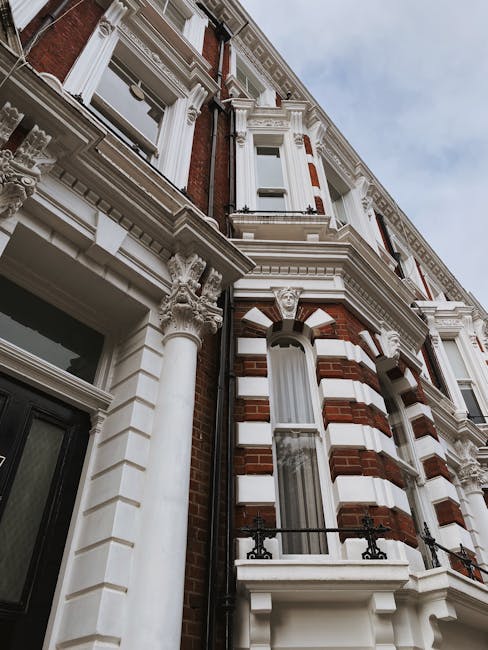
Moving into Listed Buildings in Stoke Newington: Common Issues
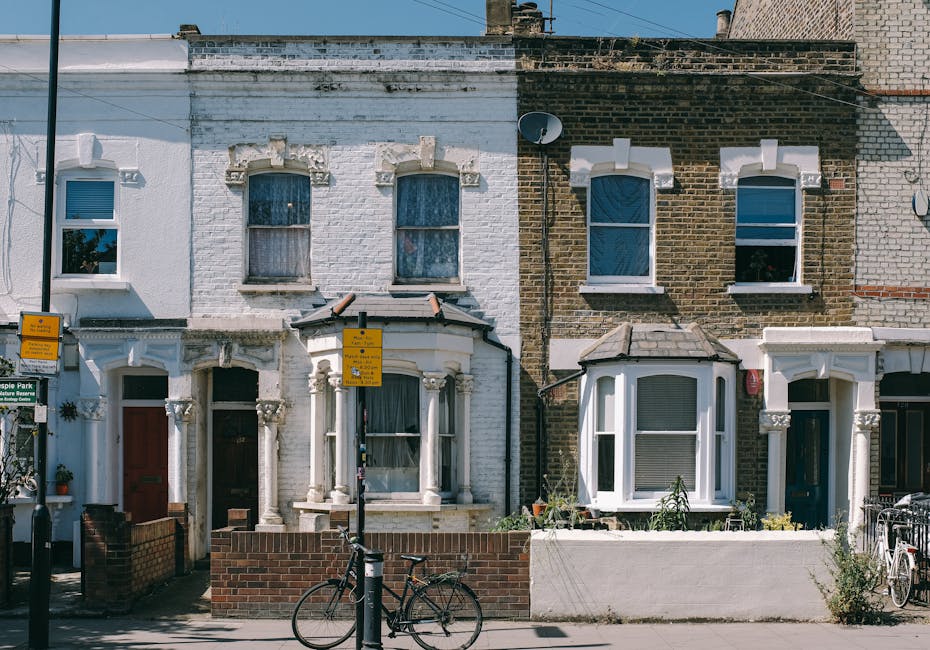
Moving into a listed building sounds romantic until the boxes arrive, the staircase narrows, and the front door is suddenly far too precious to scuff. In Stoke Newington, that mix of period charm and practical restriction is exactly what catches people out. Moving into Listed Buildings in Stoke Newington: Common Issues is not just about getting furniture through the door; it is about protecting the property, avoiding delays, and understanding how old buildings behave in very modern moving conditions.
Whether you are dealing with a converted Georgian terrace, a Victorian flat, or a period townhouse with preserved details, the move can feel a bit like a puzzle. The good news? Most problems are predictable, and once you know what to look for, they become manageable. This guide breaks down the typical sticking points, how to plan around them, and which practical steps make the biggest difference on moving day.
Why Moving into Listed Buildings in Stoke Newington: Common Issues Matters
Stoke Newington has plenty of homes with character, and that character often comes with preservation rules, awkward layouts, and access points that were never designed for sofa-bed combinations or modular wardrobes. If you are moving into a listed building, the margin for error is smaller than in a newer block. One careless knock against a banister, floorboard, or original plaster detail can turn a straightforward move into an expensive headache.
It matters for three simple reasons. First, listed buildings usually require more caution because even minor damage can be sensitive. Second, the physical layout is often less forgiving: tighter hallways, steep stairs, older door frames, or communal entrances with limited turning space. Third, the whole process tends to take longer than people expect. And to be fair, that is where stress creeps in - not from one big catastrophe, but from five small delays stacking up.
If you are also trying to coordinate parking, neighbours, building access, and furniture protection all at once, the day can get busy very quickly. That is why many people treat a listed-property move more like a project than a normal house move. A little planning goes a long way.
If you want broader support around the moving process itself, our guide to house moving made simpler is a useful companion read before you start packing.
How Moving into Listed Buildings in Stoke Newington: Common Issues Works
The process usually begins long before moving day. In practice, there are four moving parts: building access, item size, protection of historic features, and timing. If you get those right, most of the day feels much calmer.
Here is what often happens. You arrive with the van, but the building may have restricted parking or a tight bay outside. The hallway may be narrow, so large items need to be measured and sometimes dismantled. Original features - such as stair spindles, mouldings, floor surfaces, or old door surrounds - need extra protection. In some buildings, you may also need to check in with a managing agent, freeholder, or neighbour about lift use, loading times, or access routes. It is not glamorous, but it keeps everything moving.
One of the most common mistakes is assuming the same furniture that fitted in a previous home will fit here too. That assumption is usually wrong. Older properties can have unexpected bottlenecks: a landing that looks wide but is awkward to turn on, a staircase with a low ceiling, or a doorway that narrows just enough to ruin your day. Measuring properly and thinking in three dimensions matters more than people expect.
For items like wardrobes, beds, bookcases, and dining tables, it can help to read practical packing advice too. Our article on packing efficiently during your move gives a solid foundation before you start loading the van.
Key Benefits and Practical Advantages
A well-planned move into a listed building is not just about avoiding problems. It also gives you a smoother start in the new home. That sounds obvious, but it is easy to miss when the focus is on the next box, the next lift, the next phone call.
- Less risk of damage: Careful planning protects historic surfaces, paintwork, and fragile architectural details.
- Faster unloading: Pre-checking access routes means the team spends less time improvising at the doorstep.
- Better furniture decisions: You can identify what needs dismantling, storing, or replacing before the move starts.
- Lower stress: Clear plans reduce last-minute disputes about parking, timing, or item placement.
- Better neighbour relations: Quiet, organised moves are much easier on everyone in a shared or period property.
There is also a practical money angle. When access is awkward and the crew has to improvise, time stretches. That can affect costs, especially if a move needs extra carrying distance, additional protection materials, or more time on site. None of this is dramatic, but it is very real. A half-hour spent measuring at the beginning can save a frustrating hour later.
For bulky items such as sofas or beds, useful background reading can help you decide whether to move, store, or replace them. Take a look at expert advice on sofa storage methods and thoughtful ways to move a bed and mattress if those items are part of your plan.
Who This Is For and When It Makes Sense
This guide is for anyone moving into a protected or period property in Stoke Newington, but it is especially relevant if you are:
- moving into a flat in a converted townhouse or terrace
- bringing larger furniture through narrow communal spaces
- working with preservation-minded landlords or managing agents
- moving on a tight schedule and cannot afford delays
- concerned about damage to original finishes or fixtures
- unsure whether a van can park near the entrance safely
It also makes sense if you are not quite sure how much help you need. Some moves are straightforward on paper and then turn out to be awkward at the front door. That is often the moment people realise they need a bit more than "just a van". If you are comparing options, our overview of removal services is a good place to start, and the page on furniture removals in Stoke Newington is useful when the main challenge is large or delicate items.
Truth be told, listed buildings tend to reward people who like preparation. If you are the sort who labels boxes, checks measurements twice, and wants a calm first evening in the new place, you are in the right mindset already.
Step-by-Step Guidance
Here is a practical way to handle the move without overcomplicating it.
- Measure the key routes. Check door widths, stair turns, ceiling heights, hallways, and any outside path from the van to the entrance.
- Identify fragile areas. Note banisters, tile edges, original flooring, painted plaster, and door surrounds that need protection.
- Confirm access rules. Ask about parking, loading windows, key collection, lift bookings, and any building restrictions.
- Decide what must be dismantled. Beds, tables, wardrobes, and desks often travel more safely in parts.
- Use suitable protection. Think covers, blankets, floor protection, and corner guards where needed.
- Pack by room and by priority. Keep essentials separate so you are not searching for kettle leads at 8:30 p.m.
- Schedule realistic timing. Add breathing room. Listed properties rarely reward optimistic scheduling.
A sensible sequence helps a lot. For example, if you know your sofa is a tight fit, measure it against the staircase before the day itself. If needed, compare it with a storage or delivery alternative rather than forcing it through. That one choice can save a chipped wall and a bad mood. Nobody needs that on moving day.
If your move also involves decluttering before arrival, our article on reducing stress through decluttering fits neatly into the process. Less stuff often means fewer access problems.
Expert Tips for Better Results
Some advice only becomes obvious after a few difficult moves. These are the small things that make a real difference.
- Protect before you carry. It takes much less time to pad a doorway than to explain a scuff later.
- Keep the route clear. Shoes, bins, prams, bikes, and plant pots all become obstacles when the van arrives.
- Work with the building, not against it. If a staircase turns awkwardly, slow the pace and adjust the angle rather than forcing it.
- Separate old and new hazards. Historic features and heavy modern furniture are an unfortunate combination if you rush.
- Plan for weather. A wet London morning makes floors slick and cardboard soft. It changes everything, really.
One small but useful habit is to assign someone as route checker. That person does nothing but watch for pinch points, door impacts, and floor protection. It sounds almost too simple, but in a cramped entrance hall it can save the day.
For especially heavy or awkward pieces, do not rely on guesswork. Our guide to moving heavy objects safely explains why proper handling matters, and the article on professional piano moving is a good reminder that precision beats brute force every time.
Common Mistakes to Avoid
Most problems in listed-building moves are surprisingly ordinary. They come from rushing, assuming too much, or not asking the right questions early enough.
- Not measuring properly: "It looked fine on the video call" is not a measurement.
- Ignoring heritage features: A listed property may need more care than a normal flat, even if the layout seems simple.
- Leaving parking until the last minute: If the van cannot stop near the building, everything else gets harder.
- Using the wrong packing materials: Thin boxes and overfilled cartons are a bad mix in narrow stairwells.
- Trying to move oversized furniture without a plan: This is where chips, strain, and muttered apologies usually appear.
- Forgetting rubbish removal: Old shelves, broken fittings, and packaging can clog up entrances fast.
A common one is underestimating how long it takes to get from the van to the room. On newer estates, the path can be short and straightforward. In a listed building, you may be dealing with internal turns, shared corridors, and careful stair navigation. The clock ticks quietly while everyone is manoeuvring a wardrobe around a bend. Slightly annoying. Very normal.
If you end up with more waste than expected, bulky waste removal options in Stoke Newington can help you think through the clean-up side as well.
Tools, Resources and Recommendations
You do not need specialist equipment for every move, but the right basics make listed-building removals much less stressful.
| Item | Why it helps | Best use case |
|---|---|---|
| Furniture blankets | Protects woodwork, walls, and polished surfaces | Large items through narrow halls |
| Floor protection | Reduces scuffs and dirt transfer | Long corridors, communal entrances |
| Dismantling tools | Makes oversized furniture manageable | Beds, wardrobes, desks |
| Strong labels | Keeps boxes organised under pressure | Multi-room, timed moves |
| Storage solution | Useful when an item simply will not fit yet | Oversized furniture, delayed access |
In some cases, temporary storage is the smartest move, not a defeat. If a sofa, freezer, or piano needs to wait until access is sorted or the room is ready, storing it properly is often the least stressful option. That is why it can help to read up on storage in Stoke Newington before making the final decision.
And if you want a more structured packing approach, the guide to packing efficiently during your move is practical without being fussy. Nice balance, that.
Law, Compliance, Standards, or Best Practice
Listed buildings bring a layer of sensitivity that is worth taking seriously. In the UK, the exact obligations can vary depending on the property status, local authority expectations, lease terms, and whether you are a tenant or owner. So the safest approach is to treat the property as something that should be handled carefully and, where necessary, discussed with the relevant building contact in advance.
From a practical point of view, best practice usually includes:
- checking whether any access restrictions apply to the building
- confirming whether a managing agent needs notice before moving day
- protecting original features and shared areas
- avoiding damage to floors, walls, and fittings
- making sure any removal team understands the building's constraints
If you are unsure about the property's limits, ask early. Not later. Later is when people are already carrying a wardrobe up the stairs, and that is not the best moment to realise the landing is too tight. You will usually get a calmer response from neighbours and building contacts if the move looks organised and respectful.
It is also sensible to work with a removal provider that takes safety seriously. Pages such as health and safety policy, insurance and safety, and terms and conditions are useful indicators of how seriously a business approaches risk and customer care.
Options, Methods, or Comparison Table
There is no single correct way to move into a listed building. The best method depends on access, item size, timing, and how much protection the property needs. Here is a straightforward comparison.
| Method | Best for | Pros | Trade-offs |
|---|---|---|---|
| DIY move | Very small loads, simple access | Lower upfront cost, full control | Higher risk of damage or delay |
| Man and van | Smaller homes, light to medium furniture | Flexible, practical, often cost-effective | May need extra help for awkward pieces |
| Full removal team | Complex access, multiple rooms, fragile items | Better coordination, less lifting stress | Usually the most involved option to arrange |
| Storage-first approach | Oversized furniture or delayed room readiness | Reduces pressure on moving day | Requires a second stage delivery later |
If your move is compact and you only have a few large items, a service like man and van in Stoke Newington may be enough. For a more involved move, house removals in Stoke Newington is often the safer fit. There is no prize for making a listed-building move harder than it needs to be.
Case Study or Real-World Example
A recent example from a typical Stoke Newington move went something like this: a couple moved into a period flat with a narrow staircase, original bannisters, and a small front entrance set just off a busy road. They had a large bed frame, a heavy sofa, and a dining table that had looked perfectly manageable in the old home. On the day, the bed frame was fine once dismantled. The sofa, however, was a different story. It would have scraped the wall on the second turn, and there was no good angle for forcing it through.
Instead of pushing ahead and hoping for the best, they paused, rechecked measurements, and made a quick decision: the sofa would go into storage for a short period while they arranged a slimmer replacement. That choice saved the hallway, protected the original paintwork, and removed a fair bit of tension from the day. Honestly, it was the right call.
The move still took time, of course. Period properties rarely rush. But it was completed without damage, without a shouting match in the hallway, and without the sort of regret people remember for months. That is usually the sign of a good move: boring in the best possible way.
If your situation sounds similar, the most relevant services are often flat removals in Stoke Newington or a more tailored removal services approach, depending on how much the property limits access.
Practical Checklist
Use this before moving day. A quick check now saves a lot of backtracking later.
- Measure all major furniture and compare it with doorways, stairs, and landings
- Ask whether parking, loading, or key access needs to be arranged in advance
- Protect floors, bannisters, corners, and other fragile surfaces
- Pack fragile items separately and label them clearly
- Dismantle large furniture where possible
- Keep tools, charger cables, and essentials in one easy-to-reach box
- Clear hallways and entrance routes before the van arrives
- Decide in advance what should be moved, stored, or disposed of
- Build extra time into the schedule for carrying and stair navigation
- Check that everyone involved understands the property's access limits
If you want to reduce the load before the move, a little decluttering helps more than you might think. A smaller inventory makes a tricky building much easier to manage. And yes, fewer boxes also means fewer chances to misplace the remote control, which is its own kind of victory.
Get a free quote today and see how much you can save.
Conclusion
Moving into a listed building in Stoke Newington does not have to be stressful, but it does need respect for the property and a clear plan. The main issues are usually the same ones: tight access, fragile finishes, awkward layouts, and the hidden time cost of old buildings. Once you accept that, the whole move becomes easier to manage.
Measure carefully, protect thoroughly, and choose the right moving method for the space you are entering. If a piece of furniture does not suit the building, do not force the issue. Sometimes the smartest move is simply not the most dramatic one. A calm, careful arrival sets the tone for living there well. And that, really, is the point.
For more reassurance around planning and practical moving support, you may also find this house-moving guide helpful when you are ready to turn plans into action.
Frequently Asked Questions
What are the most common issues when moving into a listed building in Stoke Newington?
The most common issues are narrow access routes, awkward stair turns, protecting historic features, parking restrictions, and furniture that simply will not fit as expected. Delays are also common if access is not confirmed early.
Do I need permission to move furniture into a listed building?
Usually you do not need a special permission just to move furniture in, but you may need to follow building rules, notify a managing agent, or respect access arrangements. If you are unsure, ask before moving day.
How do I know if my sofa will fit through the staircase?
Measure the sofa, doorway, landing, and staircase turns carefully. It helps to compare the longest dimension of the sofa against the narrowest turning point in the route. If it feels tight on paper, it will feel tighter in reality.
Is it better to dismantle furniture before moving into a listed property?
Yes, often it is. Beds, wardrobes, tables, and shelving units are much easier to move in sections. Dismantling reduces the risk of damage and makes awkward corners far more manageable.
What should I do if parking near the building is limited?
Plan the loading point early and check whether any restrictions apply. If the van cannot stop close to the entrance, allow extra time for carrying items. That distance adds up quickly.
Are there extra risks to the building itself?
Yes. Older floors, walls, bannisters, and original finishes can be more easily scuffed or chipped. That is why padding, slow handling, and careful route planning matter so much.
Can I use a man and van service for a listed building move?
Yes, if the move is fairly small and access is not too restrictive. For more complex access or larger furniture, a fuller removal service may be a better fit.
What if some furniture turns out not to fit?
You have a few options: dismantle it further, store it temporarily, sell or replace it, or choose a different item for the room. It happens more often than people admit, so do not panic.
How can I reduce stress on moving day?
Label boxes clearly, keep key items separate, confirm access in advance, and allow more time than you think you need. A little slack in the schedule makes everything feel more manageable.
Should I use storage for oversized items?
If a large item risks damage, does not fit safely, or needs to wait until the room is ready, storage is a sensible option. It is often better than forcing the issue on the day.
What kind of moving service is best for a listed flat?
It depends on the size of the property and how awkward the access is. For compact moves, a man and van setup may be enough. For larger or more delicate moves, full flat removals are usually easier.
How early should I start planning?
As early as possible, ideally once you know the move is happening. The earlier you measure, clarify access, and decide what furniture is coming, the fewer surprises you will have later. Simple, but true.