Parking Suspensions and Fine Risks for N16 Removals
Moving in N16 can feel simple on paper, and then the van arrives, the street is tighter than you expected, and the nearest legal bay is already spoken for. That is usually when parking suspensions and fine risks for N16 removals stop being an abstract admin issue and become the thing that can throw the whole day off. If you are planning a flat move, a house move, or even a quick same-day job, getting parking right matters as much as packing the boxes. A missed sign, a suspended bay, or a rushed stop can lead to penalties, delays, or a very awkward conversation by the kerb.
This guide breaks down how parking suspensions work in a moving context, why they matter in Stoke Newington and the wider N16 area, what the fine risks look like in real life, and how to reduce stress before moving day. It is practical, local, and written for people who would rather avoid the expensive surprises, which is fair enough.
Why Parking Suspensions and Fine Risks for N16 Removals Matters
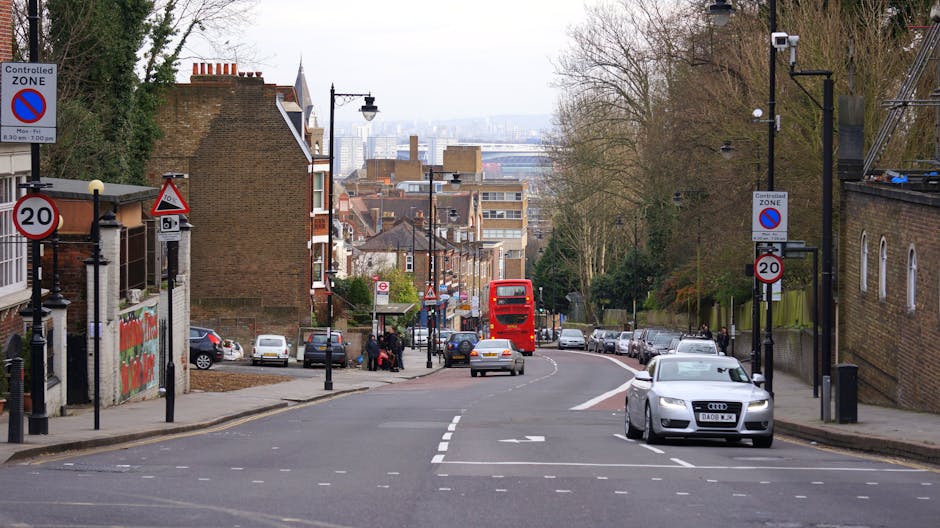
N16 is one of those places where the street layout, permit bays, loading restrictions, resident parking, and passing traffic can all combine to create a moving-day headache. If the van cannot stop close enough to the property, everything slows down: sofas get carried further, boxes get heavier, and the clock starts eating into your schedule. That is when the risk of parking penalties becomes more than a nuisance.
For removals, parking is not just about convenience. It affects safety, timing, and cost. A van left in the wrong place may block traffic, trigger a ticket, or force the crew to unload from a less suitable position. In a narrow street, that can also affect neighbours and pedestrians. You will notice the difference between a move that was planned around parking and one that was guessed at the last minute. It is night and day, really.
There is also the knock-on effect. If a removal team has to keep moving a van to avoid a bay issue, the whole operation becomes more fragile. Boxes are carried in bursts, heavy items are set down and lifted again, and the risk of damage rises. A bit of parking planning up front can save money and a lot of stress later.
How Parking Suspensions and Fine Risks for N16 Removals Works
In plain English, a parking suspension means a normal parking space, loading bay, or controlled parking area is temporarily restricted for a specific purpose. That could be roadworks, utility access, or a removal vehicle needing space. In a moving scenario, the idea is to secure a legal place for the van to load or unload as close to the property as possible.
The exact process depends on the local authority and the type of road or bay. Some suspensions need advance notice. Some streets also have their own quirks: narrow turns, timed restrictions, permits for residents, or areas where loading is allowed only for limited windows. If you are not familiar with the street, it can feel like a tiny legal maze. Not dramatic, just inconvenient in the way moving always seems to be.
The fine risk usually appears when a vehicle stops where it should not, stays beyond the allowed time, or uses a bay without proper permission. Common issues include:
- parking in a suspended bay without authorisation
- overstaying a loading window
- blocking a dropped kerb or driveway
- using double yellow lines where loading is not clearly permitted
- failing to follow sign instructions exactly
Another thing people miss: not every loading stop is automatically safe just because it is short. The rule set can change by street, by time of day, or by the exact bay markings. It is worth checking well before the crew arrives. If you are also trying to organise packing, decluttering, and moving routes at the same time, the article on packing efficiently during your move can help reduce the pressure elsewhere.
Key Benefits and Practical Advantages
Done properly, parking planning brings a few quiet but very real advantages. Nothing flashy. Just a calmer, more efficient move.
- Closer access to the property: shorter carrying distances reduce fatigue and speed up loading.
- Lower chance of penalties: fewer parking mistakes mean less risk of tickets or enforcement action.
- Better safety: less carrying across roads or around awkward corners, especially with furniture.
- Smoother timekeeping: the van can stay where it is needed without last-minute shuffling.
- Less damage risk: fewer stop-start lifts, fewer bump points, and less strain on items and people.
For heavier or awkward items, the benefit is even bigger. A piano, chest of drawers, or oversized wardrobe is difficult enough without adding another 40 metres of carrying and a kerb to dodge. If your move includes more than just boxes, it is worth reading about moving heavy objects safely before move day.
There is also a planning benefit that is easy to overlook. Once parking is sorted, the rest of the removal timeline becomes easier to shape. You can better estimate access time, loading order, and whether you need extra hands. It simply takes some of the guesswork out of the day.
Who This Is For and When It Makes Sense
This matters for almost anyone moving in N16, but it is especially important in a few situations:
- Flat moves with limited frontage: if the property sits on a busy residential street or near a junction.
- House moves with bulky furniture: when the van needs to be close for safe loading.
- Same-day removals: when there is little room for error and timing is tight.
- Office removals: where access windows can be narrow and delays are costly.
- Moves in streets with resident bays or timed restrictions: common in busier parts of Stoke Newington and nearby areas.
- Moves involving listed buildings or tricky access points: where the path from van to door already has enough complications.
It also makes sense if you are moving fragile, high-value, or unusually heavy items. For example, the planning around a piano move is very different from a standard box-and-bags job. A useful companion read here is the essentials of professional piano moving, because access and parking are often half the battle.
If your move is small and you can carry everything by hand from an unrestricted spot nearby, you may not need a formal suspension. But in N16, that is not always the reality. Streets look manageable until you are trying to reverse a van, avoid traffic, and keep a mattress dry in a drizzle. London, eh.
Step-by-Step Guidance
A simple process helps keep the risks under control. Here is the approach we would use for a typical N16 removal.
- Check the street layout early. Look at where the van could legally stop, where bays are located, and whether there are loading restrictions.
- Identify the property access point. Front door, side entrance, communal entrance, or rear access all change the plan.
- Assess the size of the van. A larger van may need more clearance, which affects bay choice and stopping position.
- Decide whether a suspension or permit is needed. If there is a risk of losing access to the closest legal space, plan for it early.
- Build in buffer time. Busy streets, school runs, weather, and lift delays all add minutes quickly.
- Brief the mover or driver clearly. Everyone should know the exact address, access point, and fallback parking option.
- Keep documents and confirmations ready. If permission or booking references are needed, have them to hand.
- Have a backup plan. A second legal bay or a nearby loading option can save the day if the first choice is taken.
That sounds a bit formal, but in practice it often comes down to a few small decisions made at the right time. One of the most common mistakes is leaving the parking question until the day before. By then, you are already juggling boxes, cleaners, keys, and who knows what else. The smoother route is to sort it alongside your moving plan, not after it.
If you are still in the sorting stage, a practical decluttering plan can make a surprising difference. Less clutter means less loading time, which can reduce the pressure to hold a van in place for too long. The piece on maximising efficiency with decluttering fits neatly here.
Expert Tips for Better Results
After enough removals, certain habits stand out as worth keeping.
1. Treat the street like part of the moving job. Not an afterthought. A good loading point is as valuable as a good packing system.
2. Measure access, not just the van. The turning circle, the kerb height, the door distance, and the entrance width all matter. A few inches can decide whether the unload feels tidy or messy.
3. Aim for one clean loading run. Repeated trips are where mistakes creep in. If the van is parked well, the team can work rhythmically, and that rhythm matters more than people realise.
4. Protect the slow bits of the day. Lift access, neighbour access, and parking windows are often the slowest parts. Build around them rather than hoping they will be quick. They usually aren't.
5. Keep the route from van to door clear. A legal bay is useful, but if the path is full of wheelie bins, planters, and parked scooters, you still have a problem. Small London detail, big difference.
6. Think about the weather. A wet stairwell or slippery pavement changes how long a simple carry takes. In the late afternoon, especially, the light can fade just when everyone is getting tired.
If you are dealing with awkward furniture as well, it can help to look at the practical side of moving beds and mattresses effectively. Large items are often the ones that expose a weak parking plan.
Common Mistakes to Avoid
Most fine risks come from small oversights rather than dramatic errors. The repeat offenders are easy to list, and just as easy to avoid once you know them.
- Assuming loading equals permission. It does not always.
- Reading signs too quickly. A missing detail can change everything.
- Using a good-looking bay without checking its rules. Looks can fool you.
- Leaving parking until the morning of the move. That is a stressful gamble.
- Not checking for temporary suspensions or nearby roadworks. The bay may already be unavailable.
- Forgetting that the van may need to stay longer than planned. Especially with stairs, lift access, or large furniture.
- Underestimating the time needed to unload safely. Speed is helpful; rushing is not.
One subtle mistake is choosing a parking option that is legal but impractical. On paper, it works. In the real world, the van sits too far away, the carrying distance doubles, and the move becomes slower and harder. That is where people get caught out. You do not just need a legal space; you need a workable one.
For a lot of removals, the best antidote to parking stress is reducing the volume in the first place. A shorter move means fewer trips and less exposure to parking problems. If that sounds sensible, the guide on packing efficiently during your move is worth a look.
Tools, Resources and Recommendations
You do not need a giant toolkit for this, but a few practical aids make planning much easier.
- Street-view style route checks: helpful for spotting tight corners, bay locations, and possible obstructions.
- Printed move plan: simple, old-school, and still very useful when your phone battery is low.
- Measuring tape: handy for confirming clearance at doorways and entrance paths.
- Notebook or checklist app: to track parking arrangements, timings, and key contact notes.
- Property photos: quick images of the frontage and access route can clarify the plan better than a long explanation.
When storage is part of the picture, planning can become even more important. If you are moving things out in stages because parking or access is constrained, temporary storage may reduce pressure on the unloading window. That is why articles like sofa storage methods and storing a freezer when idle can be surprisingly useful during a move.
For awkward or high-risk items, a specialist approach is better than improvising. The same goes for moves involving delicate equipment or very heavy furniture. A little planning now beats a bruised wall, a bruised shin, or a parking fine later. No contest.
Law, Compliance, Standards, or Best Practice
Parking and loading in London are governed by local restrictions, signage, and enforcement practices. The exact rule set can vary by street, by borough, and sometimes by time of day. For that reason, best practice is always to treat the signs and bay markings as the first authority on site, then confirm any permission well in advance where needed.
From a practical compliance perspective, a few principles matter most:
- Do not assume a suspended bay is usable without confirmation.
- Follow the time limits shown on local signs and restrictions.
- Keep proof of any approved arrangement available on moving day.
- Make sure the van is positioned safely and does not create avoidable obstruction.
- Respect residents, pedestrians, and neighbours who still need access.
That last point matters more than people admit. A move that blocks a pavement or forces people into the road is not just annoying; it is the sort of thing that can attract attention quickly. In Stoke Newington, where streets can already feel tight, careful positioning is part of basic professionalism.
Best practice also means coordinating parking with the rest of the move: packing, lifting, route planning, and any special-item handling. If you are using a removal company or man and van service, ask how they manage loading access, whether they factor in street restrictions, and how they handle a delay caused by parking. Clear answers are a good sign. Vagueness is not.
For a broader view of service standards and customer safeguards, it can also help to review the site's health and safety policy and insurance and safety information before booking. Not exciting, granted, but reassuring.
Options, Methods, or Comparison Table
There is no single right way to handle parking for N16 removals. The best method depends on the street, the van size, the move duration, and how much access you need. Here is a practical comparison.
| Approach | Best for | Pros | Limits |
|---|---|---|---|
| Plan around existing legal loading space | Short moves in less restricted streets | Simple, low admin, often quick to arrange | May be too far from the property or unavailable on the day |
| Request a parking suspension | Moves needing close, dedicated access | Better certainty and shorter carry distance | Requires advance planning and may not suit last-minute moves |
| Use a smaller vehicle | Narrow streets or limited stopping options | More flexible, easier to position | May need more trips or a second vehicle if the load is large |
| Stage the move | Complex moves, flats, and awkward access | Reduces pressure on one parking window | Needs more organisation and sometimes storage |
In many N16 jobs, a staged move with a clear parking plan can be the calmest option. It works especially well for flats with awkward lifts or for homes with lots of furniture. If you are dealing with a smaller property, the guide to N16 flat removals and narrow lifts is a good companion piece, because parking and vertical access tend to fail together.
Case Study or Real-World Example
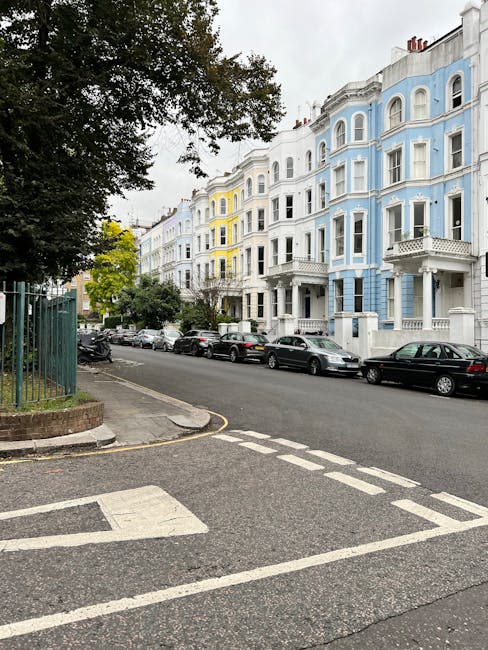
Picture a typical Saturday move in Stoke Newington. The property is on a residential street with resident bays, there is a communal entrance, and the van needs to be close because the sofa, bed base, and freezer are all coming out. The first instinct might be to park in the nearest available bay and hope for the best.
That is where problems start. Another vehicle is already in the loading spot, the nearest bay has a timed restriction, and the driver spends ten minutes circling while boxes wait in the hallway. By the time the van is finally positioned, the crew is tired, the hallway is cluttered, and the unload has lost momentum.
Now compare that with a better plan. The parking arrangement is checked early. A legal stopping point is chosen in advance. The move is staggered so that heavy items come out first, while lighter boxes are prepared inside. The team knows the entrance path, the weather forecast, and the fallback option if the first bay is not available. It is not perfect, but it is steady. And steady usually wins.
One small example from this kind of job: when the parking point is sensible, the mattress does not need to be dragged around a corner or over a long pavement stretch. That lowers the risk of scuffing walls or nicking fabric. It also saves the sort of energy that disappears without anyone noticing until 3 p.m.
Practical Checklist
Use this checklist before move day. If you can tick most of it off, you are in decent shape.
- Confirm the move date, time, and expected loading window
- Check the exact street restrictions around the property
- Identify where the van can legally stop
- Decide whether a parking suspension or other arrangement is needed
- Measure access points if large furniture is involved
- Share parking notes with everyone involved in the move
- Prepare a backup stop location nearby
- Keep key paperwork or booking confirmation accessible
- Pack the most urgent items first so the van can load efficiently
- Allow time for weather, lift delays, and traffic
- Keep neighbours informed if access will be tight
- Review any special-item handling needs in advance
For people moving into or out of busier streets, it can also help to look at local route planning. The article on best van routes between Stoke Newington and Dalston is a useful reminder that getting to the street matters almost as much as parking on it.
Conclusion
Parking suspensions and fine risks for N16 removals sound like a narrow topic, but they shape the whole moving day. Get them wrong and everything feels heavier, slower, and more expensive than it should. Get them right and the move has room to breathe. That is the difference between a stressful scramble and something that feels, if not easy, at least manageable.
The best approach is straightforward: check the street early, plan the van position carefully, think about loading distance, and keep a backup in mind. If you are moving in Stoke Newington or anywhere across N16, that bit of preparation can save you from fines, delays, and a lot of unnecessary running about. Truth be told, most moving problems are solved before the first box leaves the hallway.
Get a free quote today and see how much you can save.
Frequently Asked Questions
Do I always need a parking suspension for a move in N16?
No. Smaller moves in less restricted streets may be fine without one, but if parking near the property is limited or heavily controlled, a suspension can reduce risk and make the move easier.
What happens if the van parks in the wrong place during a removal?
You could face a parking fine, delay the move, or create access problems for neighbours and traffic. In some streets, the wrong stop can also make unloading unsafe.
How far in advance should I check parking for a removal?
As early as possible. A few days ahead is better than leaving it to the morning of the move. For busy periods, earlier is safer because restrictions and availability can change quickly.
Are loading bays always safe for removals?
Not automatically. Some bays have time limits, permit rules, or temporary restrictions. Always check the sign and any local conditions before using one.
Can a smaller van reduce parking fine risks?
Sometimes, yes. A smaller van can fit more easily into tight streets and may make legal stopping simpler. But it is not a magic fix if the street itself is highly restricted.
What is the biggest parking mistake people make on moving day?
Assuming that a quick stop is harmless. In practice, a brief stop can still breach restrictions if the area is suspended, time-limited, or not suitable for loading.
How do parking issues affect the rest of the move?
They slow loading, increase carrying distance, and can make heavy or fragile items more difficult to handle. That adds fatigue and sometimes damage risk too.
Should I tell my removal team about parking restrictions before the move?
Absolutely. Good movers need to know the street layout, bay rules, and any access limits so they can plan the vehicle position and loading sequence properly.
What if there is nowhere legal to stop close to the property?
Then you may need a different plan, such as a parking suspension, a smaller vehicle, a staged move, or temporary storage. It is better to plan around the limit than to force a poor option.
Are parking suspensions worth the effort?
For many N16 removals, yes. They can save time, reduce carrying distance, and lower the chance of a fine. Whether they are worth it depends on the street and the size of the job.
Can parking problems increase moving costs?
They can. Delays, extra carrying time, and failed access all add pressure to the schedule, and that often shows up in labour time or repeated trips.
What should I check on the street sign before parking a removal van?
Look at the hours, loading rules, permit conditions, and any suspension notices. The exact wording matters, and a small missed detail can change what is allowed.
If you are also trying to make the moving side of things run more smoothly, the broader advice in house moving simplified is a nice place to step back and see the full picture. And if you need a little more help with the practical side of furniture handling, furniture removals in Stoke Newington can be a sensible next step to explore.
Sometimes the calmest moving day is the one where parking was quietly sorted before anyone started lifting. That small bit of foresight goes a long way.